

The primary difference between white wine vs red wine lies in the fermentation process: red wine is fermented with grape skins, seeds, and stems, which provide color and tannins, whereas white wine is pressed and fermented without them. This results in distinct flavor profiles, acidity, and serving temperatures.
What is the main difference between red and white wine?
If you have ever stood in the wine aisle at a grocery store, staring at the labels like they are written in ancient Sanskrit, you aren’t alone. While the most obvious difference is the color—one looks like a sunset and the other like a well-hydrated morning—the real distinction happens behind the scenes in the winery.
It all boils down to "skin contact." Think of grape skins as the wine's wardrobe. Red wines are like that friend who refuses to leave the house without a leather jacket and heavy boots; they spend a lot of time hanging out with the skins, seeds, and occasionally the stems. This process, called maceration, allows the alcohol to leach out the pigments (anthocyanins) and tannins. In contrast, white wine is like the friend who prefers a breezy linen outfit. The grapes are pressed, and the juice is whisked away from the skins immediately, leaving you with a light, crisp liquid that doesn't have the heavy structure or deep color of its red counterparts.
At our winery in Lockhart, Texas, we take this a step further by focusing on organic methods. Because we make our wine onsite, we see firsthand how that skin contact changes the chemistry. Whether it's a deep Malbec or a crisp Blanc, the presence (or absence) of those skins dictates every sip you take. If you're curious about the process, you can always visit us for Tastings and Wine Club sessions where we break down the science while you sip.
Does the grape variety determine the wine color?
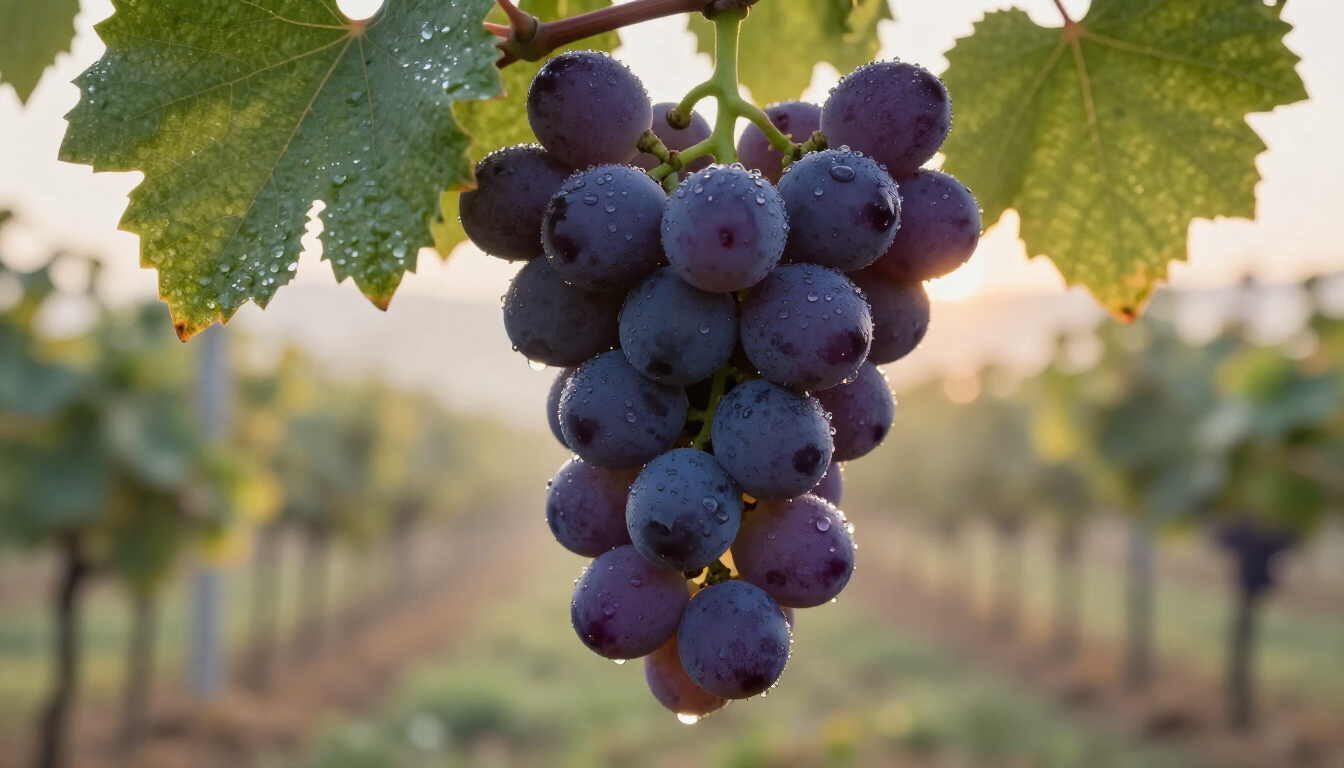
Actually, not always! This is one of those fun wine facts you can use to impress people at dinner parties (or just use to feel superior while watching Netflix). You can actually make white wine from red grapes. Since the juice of almost all grapes is clear, if you peel a red grape and ferment only the juice, you get white wine. This is exactly how many Champagnes are made—using Pinot Noir grapes but keeping the juice away from the skins.
However, it’s much harder to make red wine from white grapes. You can leave white grape juice on the skins (which creates what we call "Orange Wine" or "Amber Wine"), but it won't ever turn that deep ruby red because the pigments simply aren't there.
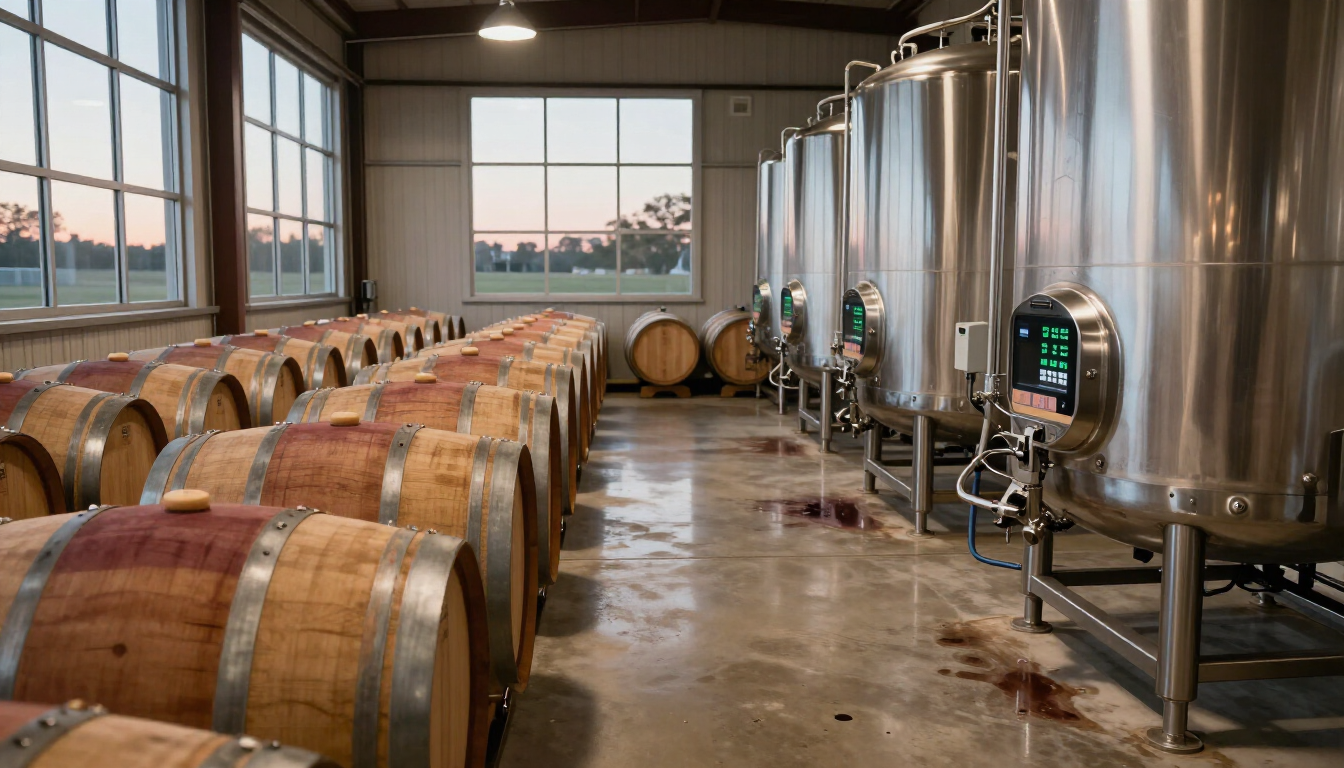
When we look at white wine vs red wine , we also have to talk about oxidation. Red wine is often aged in oak barrels, which allows a tiny bit of oxygen to seep in. This softens the tannins and gives the wine a smoother, more complex finish. White wines are more frequently aged in stainless steel tanks to preserve their zesty, floral, and fruit-forward personalities.
Should you chill red wine or only white wine?
The short answer: You should probably chill both, but to different degrees. The old adage "serve red wine at room temperature" was coined back when "room temperature" meant a drafty European castle in the 1700s, where the thermostat was perpetually set to "shiver." Modern Texas homes, especially in the heat of Lockhart, are far warmer than a 17th-century cellar.
Here is the quick breakdown for the perfect chill:
- White Wines: 45–50°F (7–10°C). This preserves the acidity and keeps the floral notes bright.
- Light Reds (like Pinot Noir): 55–60°F (12–15°C). A slight chill helps the fruit flavors pop without making the wine feel "flabby."
- Heavy Reds (like Cabernet): 60–65°F (15–18°C). Just below modern room temperature helps balance the high alcohol and tannins.
- Sparkling Wines: 40–45°F (4–7°C). Keep these ice cold so the bubbles stay tight and refreshing.
- Rosé: 45–55°F (7–12°C). Depending on the body, treat it like a white wine or a very light red.
Over-chilling a red wine will make it taste bitter and thin because the cold tightens the tannins. Conversely, serving a white wine too warm makes it taste flat and overly alcoholic. If you’re looking to stock up for your next temperature-perfect dinner, check out our Online Store .

The Tannin Truth and Organic Secrets
Tannins are the things that make your mouth feel dry after a sip of red wine. Think of it like the sensation of sucking on a wet tea bag. In the debate of white wine vs red wine , tannins are the heavy hitters found mostly in the reds. For some, tannins are the backbone of a great bottle. For others, they are the reason for a pounding headache the next morning.
At our Lockhart winery, we specialize in organic, low-tannin, and low-sulfate wines. Why? Because we believe wine should be enjoyed, not endured. By using organic grapes and managing our fermentation process onsite, we can control the extraction of those harsher compounds.
Many people assume they are allergic to red wine, but often they are just sensitive to the high sulfate levels or the heavy tannin load found in mass-produced bottles. Organic wine focuses on the health of the soil and the purity of the fruit, leading to a cleaner finish. Whether you prefer the crispness of a white or the depth of a red, choosing organic ensures you aren't inviting unwanted chemicals to your party.
Is red wine healthier than white wine?
You’ve likely heard that a glass of red wine is good for your heart. This is largely attributed to resveratrol, an antioxidant found in—you guessed it—grape skins. Since red wine spends more time with the skins, it naturally has higher levels of this compound than white wine.
However, white wine has its own benefits, often containing different types of antioxidants that help protect lung tissue. The real "health" factor, though, comes down to how the wine is made. Low-sulfate and organic wines reduce the toxic load on your liver and minimize that "fuzzy head" feeling. In the battle of white wine vs red wine , the winner is usually the one that was grown without pesticides and fermented with care.
If you want to learn more about our specific organic processes, feel free to Contact Us or drop by the winery. We love talking shop as much as we love pouring a glass.
Mastering the Art of Wine Temperatures
To wrap it up, the choice between red and white isn't just about color; it's about the experience you want to have. Red wine offers complexity, structure, and warmth, while white wine offers refreshment, acidity, and zest. Both have a place on your table, especially when you understand the