1. What Are Tannins and Preservatives in Wine?
Tannins: Define what tannins are and how they naturally occur in grape skins, seeds, and stems. Explain their role in giving wine its structure, texture, and aging potential.
Preservatives: Describe common preservatives used in winemaking, such as sulfur dioxide (SO2), and their purpose in preserving freshness and preventing spoilage.
2. Why Make Wine Without Tannins and Preservatives?
Health Considerations: Discuss how some people are sensitive to tannins and preservatives, leading to headaches or allergic reactions.
Flavor Profile: Explain how wines without added tannins and preservatives can offer a different tasting experience—often lighter, fresher, and more fruit-forward.
Natural Approach: Highlight the desire among winemakers and consumers for a more natural product that reflects the true character of the grapes and terroir.
3. The Winemaking Process Without Tannins and Preservatives:
Selecting the Right Grapes: Emphasize the importance of choosing grape varieties that naturally have lower tannin levels, such as Pinot Noir or Gamay, and those that thrive in organic or biodynamic vineyards.
Minimal Intervention: Describe the low-intervention winemaking approach, focusing on natural fermentation processes using wild yeasts instead of cultured ones.
Avoiding Preservatives: Explain alternative methods to prevent oxidation and spoilage, such as maintaining a clean winemaking environment, controlling temperature, and using inert gases like nitrogen or argon.
4. Challenges in Making Wine Without Tannins and Preservatives:
Stability and Shelf Life: Discuss the challenges of ensuring stability and longevity without preservatives and how some winemakers address these issues.
Flavor Development: Mention the difficulty of achieving complexity in wines that lack tannins, which contribute to the depth and aging potential of traditional wines.
5. The Future of Natural Winemaking:
Increasing Popularity: Talk about the rising demand for natural and "clean" wines and how this trend is influencing the wine industry.
Innovation and Experimentation: Highlight some innovative winemakers who are experimenting with new techniques to create wines without added tannins and preservatives.
6. How to Enjoy Wines Without Tannins and Preservatives:
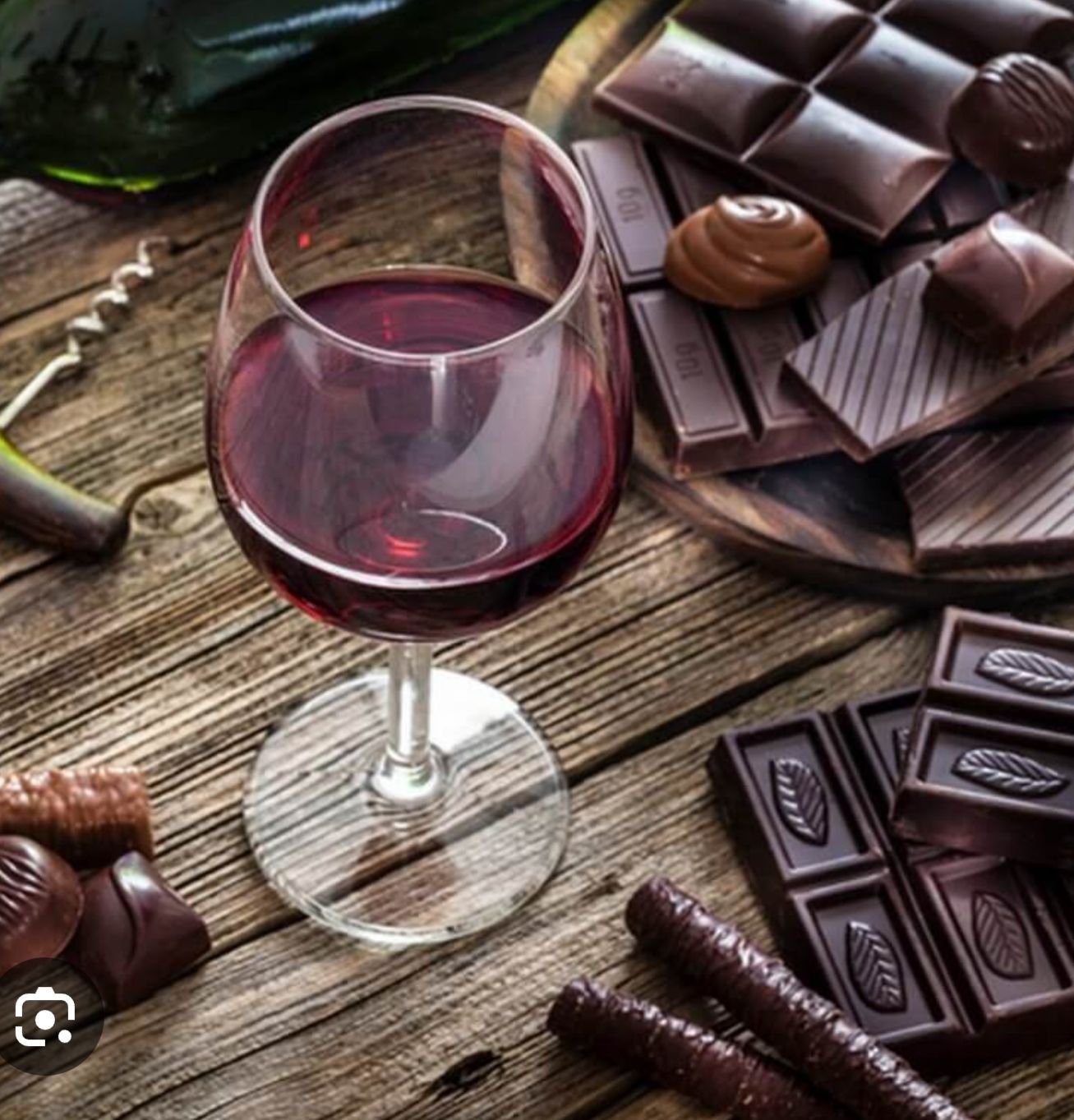
Pairing Suggestions: Provide tips on pairing these wines with food, focusing on lighter dishes that complement their fresh, fruit-forward profiles.
Storage Tips: Give advice on how to store and consume these wines to enjoy them at their best, given their potentially shorter shelf life.
Conclusion:
Summarize the benefits and challenges of making wine without tannins and preservatives.
Encourage readers to explore and support natural winemaking practices for a more authentic wine experience.